
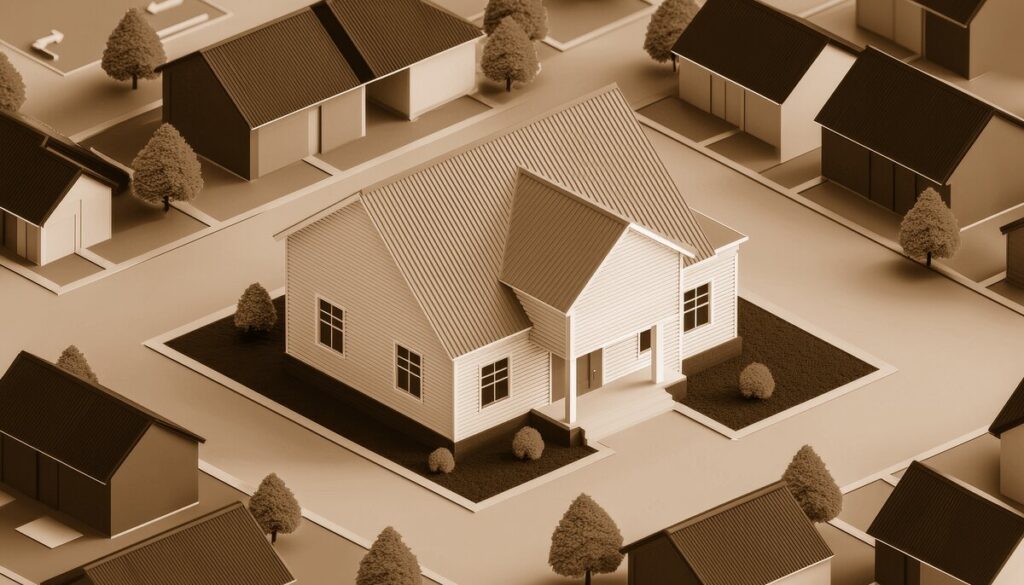
Introduction: The Allure of Briarwood Triangle
Nestled in the heart of Irondequoit, just north of Rochester, NY, the Briarwood Triangle neighborhood stands as a quiet testament to the harmonious blend of community spirit, lush greenery, and rich local heritage. Though modest in size, this triangular stretch—defined by the intersection of Titus Avenue, St. Paul Boulevard, and Cooper Road—has earned close-knit pride and a timeless appeal among residents. For newcomers and old friends alike, exploring the roots of Briarwood Triangle is like turning pages of a beloved family album.
A Name Rooted in Nature and Neighborhood
The name “Briarwood Triangle” conjures images of wild roses and old-growth forests—a fitting tribute to the area’s leafy streets and mature trees. According to longtime residents, the “Briar” and “Wood” reflect the native thickets and wooded pockets that originally dotted the landscape before suburban development swept through Irondequoit in the early 20th century. The “Triangle” moniker came naturally, describing the unique wedge-shaped expanse bounded by some of the most traveled arteries in the township.
Local lore suggests an early development company used the Briarwood name for its romantic connotations, aiming to attract families seeking tranquility just minutes from city bustle. The phrase “Briarwood Triangle” soon cemented itself as both a geographic descriptor and a badge of neighborhood pride.
Early Days: From Farmland to Suburbia
In the late 1800s, the land where Briarwood Triangle now sits was primarily open farmland and orchards, typical of pre-suburban Irondequoit. Macedon Center Road (later renamed Titus Avenue) and St. Paul Boulevard acted as main thoroughfares connecting distant farms to the city markets. As Rochester grew, so did the need for nearby, accessible homes, especially with the expansion of the electric streetcar lines along St. Paul Boulevard in the 1920s.
The triangle filled in gradually during the post-war suburban boom of the 1940s and 1950s. This era marked the arrival of tidy Cape Cods, colonials, and brick ranch-style homes on tree-lined streets such as Briarwood Drive, Donaldwood Drive, and Margate Road. Prospective families were attracted by well-tended lawns and the promise of a peaceful neighborhood ambiance.
Key Landmarks and Institutions
- Briarwood Triangle Green: At the heart of the neighborhood lies the Briarwood Triangle green—an open, well-kept community space where families gather for picnics, holiday celebrations, or quiet reflection beneath towering maples. This little green has served as a de facto meeting spot for neighborhood meetings, yard sales, and seasonal festivities for generations.
- St. Margaret Mary Church: Located just east of the triangle at 401 Rogers Parkway, this beautiful brick church has been a fixture in local family life since its construction in the early 1960s. Its annual events, spaghetti suppers, and children’s festivals are frequent touches of community connection.
- Irondequoit Public Library (Titus Avenue Branch): Though now consolidated into the larger town library on Titus Avenue, the neighborhood’s proximity to local library services has long encouraged literacy, civic engagement, and a sense of shared learning.
- Nearby Parks: While Briarwood Triangle itself is compact, several town parks—such as Camp Eastman and Irondequoit Bay Park West—lie just a short drive or bike ride away, offering trails, lake access, and panoramic views.
Moments That Shaped the Neighborhood
The growth of Briarwood Triangle mirrored national trends—a migration from city centers to tree-lined residential enclaves, especially after World War II. However, Irondequoit’s tradition of “neighborhood days” and block parties fostered an especially strong local spirit. In the 1970s, residents pooled resources to advocate for improved sidewalks, better lighting, and increased green space, laying the groundwork for the welcoming walkable district the area is today.
The neighborhood weathered challenges common to many suburbs, such as evolving school district lines and changing retail patterns along Titus Avenue. Through civic-mindedness and sustained involvement, Briarwood Triangle retained its appeal for young families, couples, and retirees alike.
Architectural Heritage and Evolution
A stroll through Briarwood Triangle reveals its story in architectural detail:
- *Classic Cape Cods and Ranches*: Modest yet charming, these mid-century homes form the backbone of streets like Briarwood Drive and Donaldwood Drive.
- *Colonials and Split-Levels*: Providing a look at residential trends from the 1950s to the 1970s, many homes feature spacious yards and mature landscaping, giving the area its park-like feel.
- *Thoughtful Renovations*: In recent decades, Briarwood Triangle has seen a gentle wave of renovation, with original homeowners passing the torch to new generations who cherish the solid “bones” and neighborly ethos.
A Community with Deep Roots
What truly makes Briarwood Triangle special isn’t only the handsome homes or the graceful maples shading its avenues—it’s the lived experience of generations. Residents fondly recall lemonade stands in the summer, winter sledding on the triangle green, and impromptu driveway gatherings that stretch long past dusk.
Organizations like the Briarwood Triangle Neighborhood Association continue to play a vital role, organizing clean-up days, sharing local news, and fostering bonds between newcomers and old timers. The area’s welcoming atmosphere makes it easy for families of all backgrounds to put down roots.
Looking to the Future
As Irondequoit continues to evolve, Briarwood Triangle stands as an example of how urban and suburban harmony can blend without losing a sense of heritage. The neighborhood’s story is one of thoughtful stewardship, quiet pride, and the enduring power of community—where the past meets the present, and every front porch has a story to share.
Whether you’re drawn here for the tranquil streets, the easy access to schools and parks, or the friendly wave from a neighbor across the way, Briarwood Triangle offers a unique window into both the history and the heart of Irondequoit.